One House
Four generations, one house
From Judge Berrien’s will in 1772 to his grandson’s vote in 1850 and the people counted in Savannah: the Berrien family, the people they held, and the house where Washington learned the treaty was signed, on one scrolling map.
the place in this step · dashed lines: the order of the story, not routes · the house mark is Rockingham
1710 to 1772
One house, and the people in it
Rockingham was the Berrien family farm on the Millstone at Rocky Hill, in what became Franklin Township. This page follows the house and the family through four generations, and the people they held: from the judge’s will in 1772, through Washington’s autumn in the house, to a grandson born here who voted in the Senate for the Fugitive Slave Act of 1850, and to the people who left, were seized, or were counted along the way.
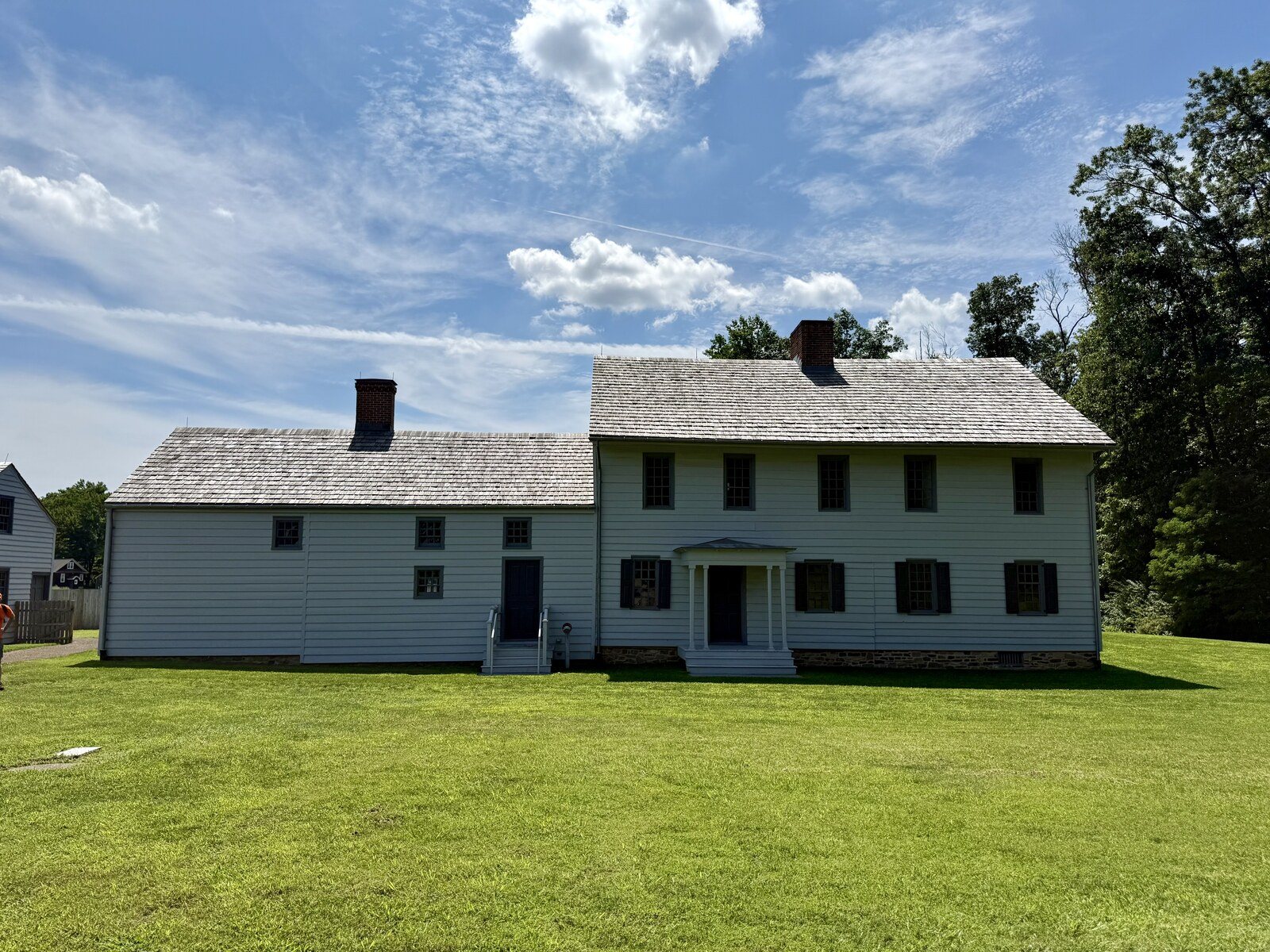
Scroll. The map follows the family; the documents are linked at each step.
April 21 and 22, 1772
The judge signs his will, and drowns
On April 21, 1772, Judge John Berrien signed his will before witnesses. It divided “all real and personal” estate among his widow Margaret and six children: John, Elizabeth, William, Mary, Samuel and Thomas. He then drowned in the Millstone. The National Register nomination for the house records that he threw himself into the river, that a letter of William Paterson reports “the Jury found lunacy,” and that the death “has never been convincingly explained.” Margaret, as executrix, held the farm for the next twenty years.
National Register nomination, Rockingham (1970) · One House, Board 3
August 23, 1781
A grandson is born in the house
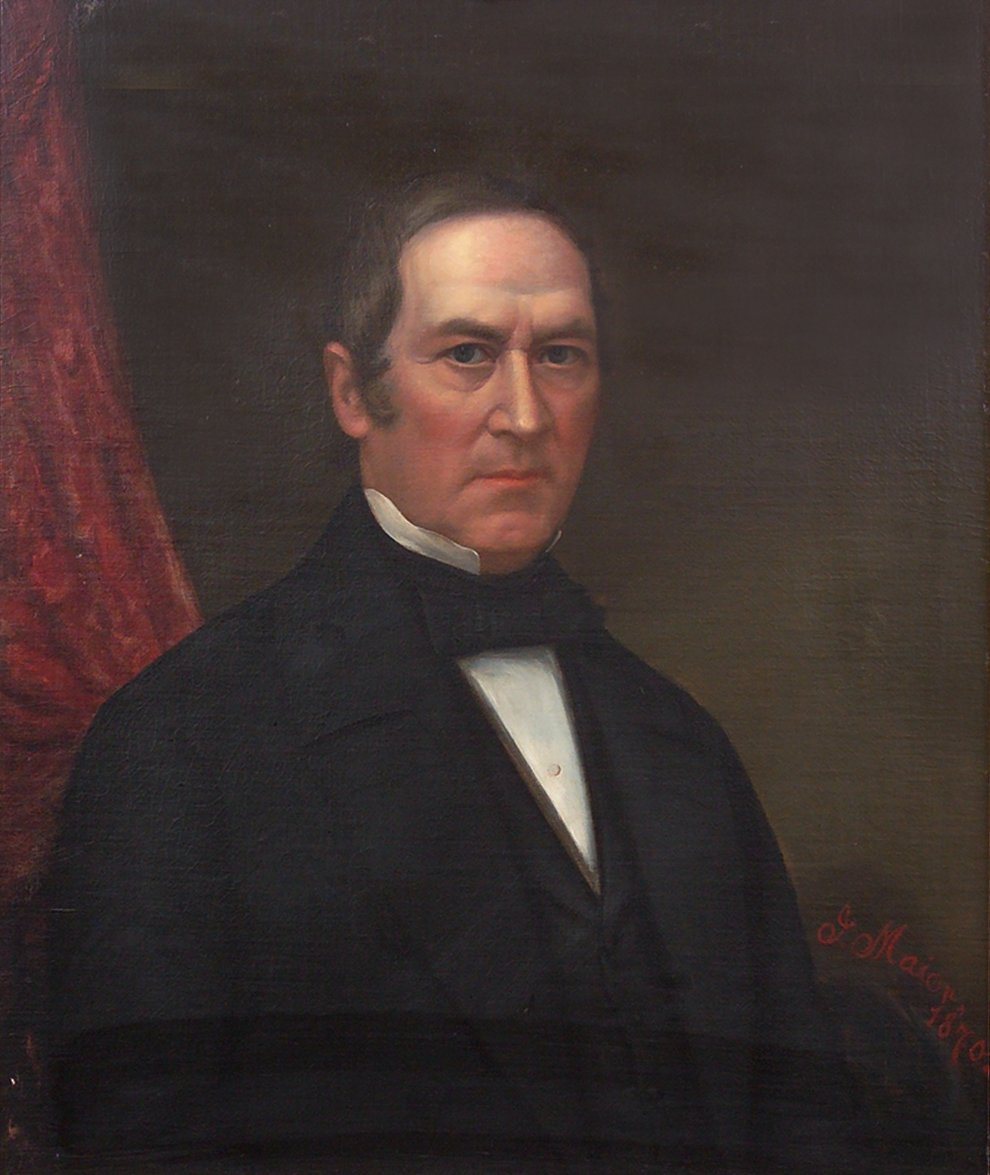
John Macpherson Berrien was born at Rockingham on August 23, 1781, two months before Yorktown, while the house belonged to his grandmother. His father, Major John Berrien, had served in the Continental Army. After Yorktown the major moved the family to Savannah.
August 23 to November 10, 1783
Washington rents the house
While Congress sat at Princeton, Margaret Berrien rented the house to Washington. He moved in on August 23, 1783, with his aides and enslaved servants, William Lee among them. On October 31 word reached him here that the definitive treaty had been signed at Paris. If the treaty is a founding document, Rockingham is where Washington learned it was done.
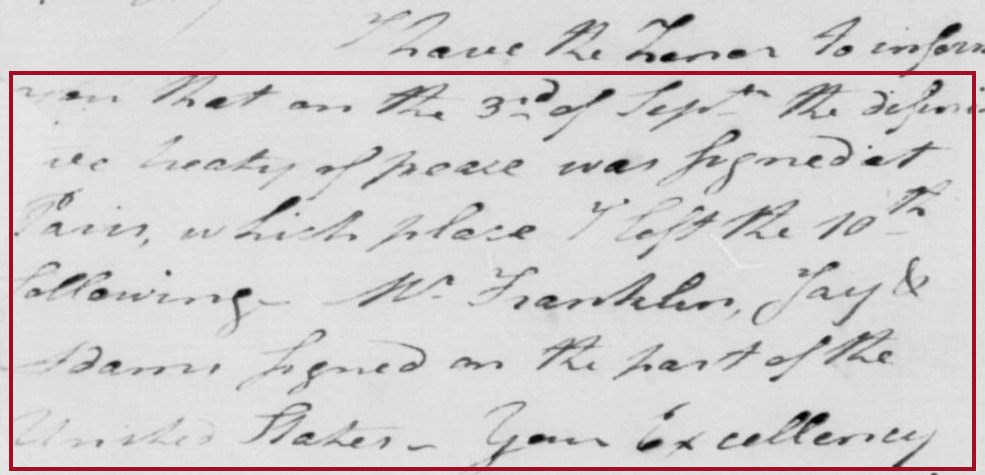
The paper’s journey · Ogden to Washington · Washington to Congress from Rocky Hill
July 1784
One enslaved person, unnamed
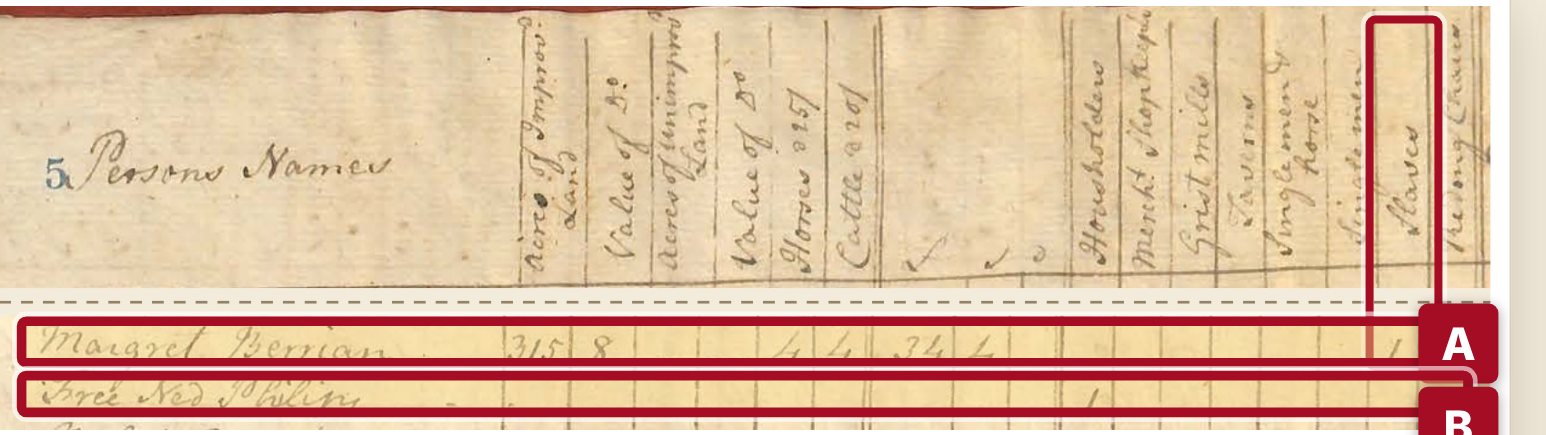
No record found names the enslaved people of the Berrien farm in 1783. The nearest evidence is the Eastern Precinct tax list of the following July: “Margret Berrian,” 315 acres, and in the “Slaves” column, 1. The same list counts 81 enslaved people in the precinct that became Franklin Township; one taxpayer in four held at least one of them. A few lines away is “Free Ned Philips,” a free Black householder.
1787 and 1793
Written into the Constitution
At Philadelphia in 1787 the Constitution took up what the treaty’s Article VII had failed to secure: “No Person held to Service or Labour in one State… escaping into another… shall be delivered up on Claim of the Party to whom such Service or Labour may be due.” In 1793 Congress passed, and President Washington signed, the first Fugitive Slave Act: an owner may “seize or arrest such fugitive from labor” in any state. Three years later Washington pursued Ona Judge, who had escaped from the President’s House in Philadelphia; she lived free in New Hampshire until 1848.
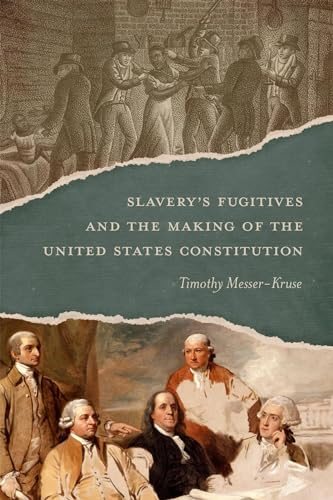
One House: written into the Constitution · The book, LSU Press
About 1791
Two births: a child, and a house
About 1791 a boy named Jack was born “to the estate of John Berrien,” the judge, on the farm at Rocky Hill. About the same year, according to the Georgia Historical Society marker, a house was built for Major John Berrien at 322 to 324 East Broughton Street in Savannah. The family had two houses now, six hundred miles apart; the people they held were counted at both.
Jack’s manumission, 1830 · Georgia Historical Society marker, the Berrien House
1796
Back to Princeton, briefly
John Macpherson Berrien took his degree at the College of New Jersey at Princeton in 1796, at fifteen, a few miles from the house where he was born. He read law in Savannah, was admitted to the Georgia bar in 1799, and became a judge in 1810.
February 1 to September 9, 1805
Three women leave Samuel Berrien’s farm
Samuel Berrien, the judge’s son, who had been a boy of seventeen in the house when Washington was there, farmed near Allentown, twenty miles south. On the first night of February 1805 three women he held, Isabella, Harriet and Ess, born in the mid-1780s, left together. He believed they were “in or near Burlington.” Seven months later he was still advertising: thirty dollars for all three or ten for any one, with no description of them beyond their ages. That July he and his wife had signed a certificate freeing another woman they held, Martha Richards. Under New Jersey’s gradual abolition act of 1804, women born in the 1780s were enslaved for life; leaving was the only road out.
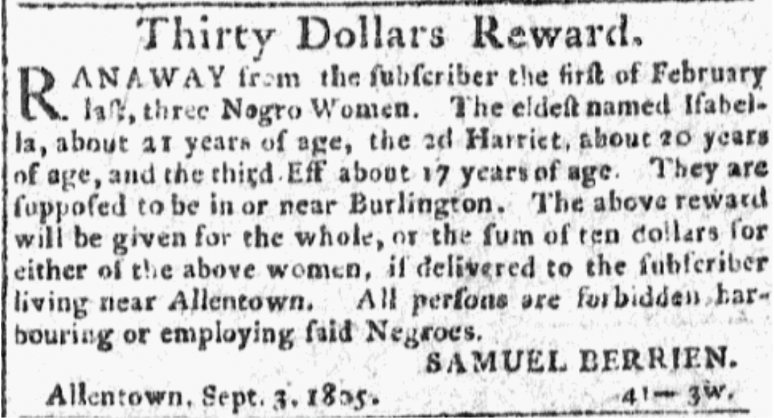
One House: Isabella, Harriet and Ess · New Jersey Slavery Records
About 1821 to October 1822
Jack claims his freedom, and is seized
At thirty, Jack claimed that the judge’s will had freed him, left New Jersey, and worked on a Quaker farm in Pennsylvania. In October 1822 Caleb Johnson of Montgomery Township, near Princeton, and three armed men seized him under the Fugitive Slave Act of 1793. Neighbors, Black and white, stoned the carriage, but Jack was carried back to New Jersey.
1825
The Antelope, before the Supreme Court
In 1825 the Georgia legislature sent Berrien to the United States Senate. The same year he argued The Antelope before the Supreme Court for the Spanish and Portuguese claimants to more than 280 Africans taken from a captured slaving ship: the slave trade, he told the Court, “is not contrary to the positive law of nations,” and of the enslaved, “Paradoxical as it may appear, they constitute the very bond of your union.” Chief Justice Marshall held that the trade, though “contrary to the law of nature,” was not forbidden by the law of nations. About 120 survivors were sent to Liberia in 1827; about thirty went into slavery in Florida. In 1829 Andrew Jackson made Berrien Attorney General of the United States.
The Antelope: what he argued · The Antelope, 23 U.S. 66 (1825), Justia · Attorney General, U.S. Department of Justice
December 29, 1830, and 1833
Freed on paper, and priced by a jury
On December 29, 1830, Caleb Johnson recorded a deed of manumission for “my negro slave called John Skillman of the age of thirty nine years.” Three years later, in Johnson v. Tompkins, Justice Henry Baldwin told a federal jury that “the foundations of the government are laid, and rest on the rights of property in slaves,” and the jury awarded Johnson $4,000 against the Pennsylvanians who had tried to stop the seizure.
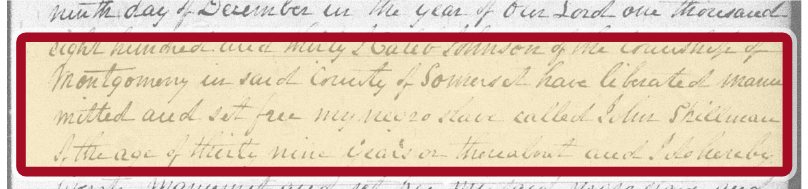
February 11 and 12, 1850
The treaty as foundation, with the clause left out
In the debate over slavery in the territories Berrien spoke for two days. He grounded the slaveholder’s rights on the Treaty of Paris, Article 1, “a treaty in which they were severally and by name acknowledged as free, sovereign, and independent.” Article VII, the clause about “Negroes,” is never mentioned. Slavery, he argued, travels with the owner: “once existing, it exists everywhere until it comes within the limits of a sovereignty which inhibits it.” The Constitution’s slavery provisions were compromises “without which, the inhabitants of the slaveholding States would never have come into the Union.”
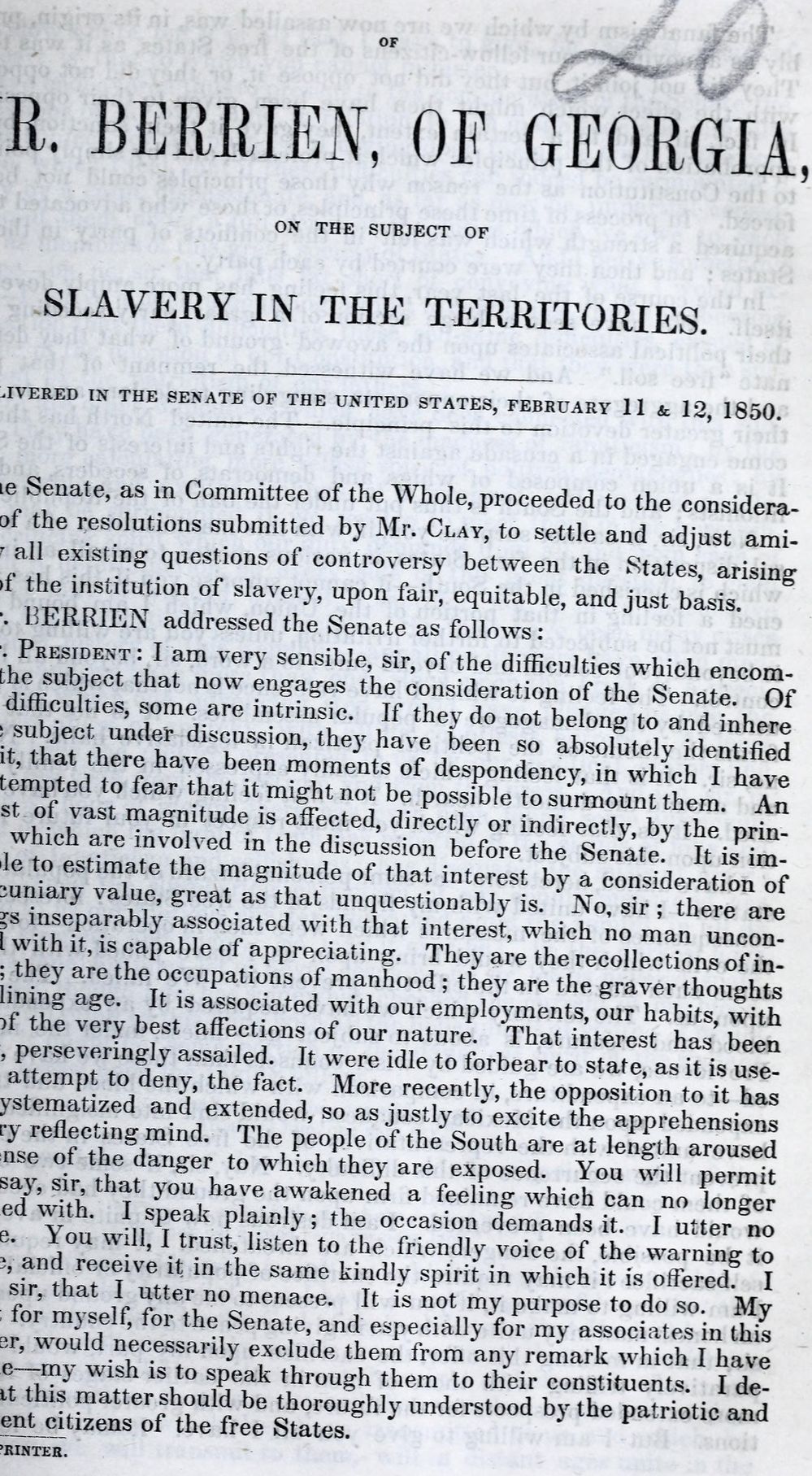
The four passages, with page numbers · The speech, Internet Archive
August 19 to 26, 1850
The votes
The Senate took the Fugitive Slave Bill through a series of recorded votes on August 19, 22 and 23, 1850. Berrien voted no on every amendment that would have given a person seized as a fugitive a jury trial or a writ of habeas corpus, and on August 23 voted yes on ordering the bill engrossed for its third reading, 27 to 12. The bill passed on August 26 without a recorded vote. That is why Board 3 says he “voted to advance” the act.
August 23, engrossment, 27 to 12 (Voteview) · August 19, jury trial, 11 to 27 · All five roll calls
November 25, 1850
One hundred and forty-two lines
The federal census slave schedule of 1850 for District 13 of Chatham County, Georgia, lists the people Berrien held: each a line with an age, a sex and a colour, and no name. We count 142 lines across three pages; the figure 143 is also cited. His papers at the University of North Carolina name a few: Prudence, bought in 1805; Phoebe, Charlotte and Summer, in a will of 1798.
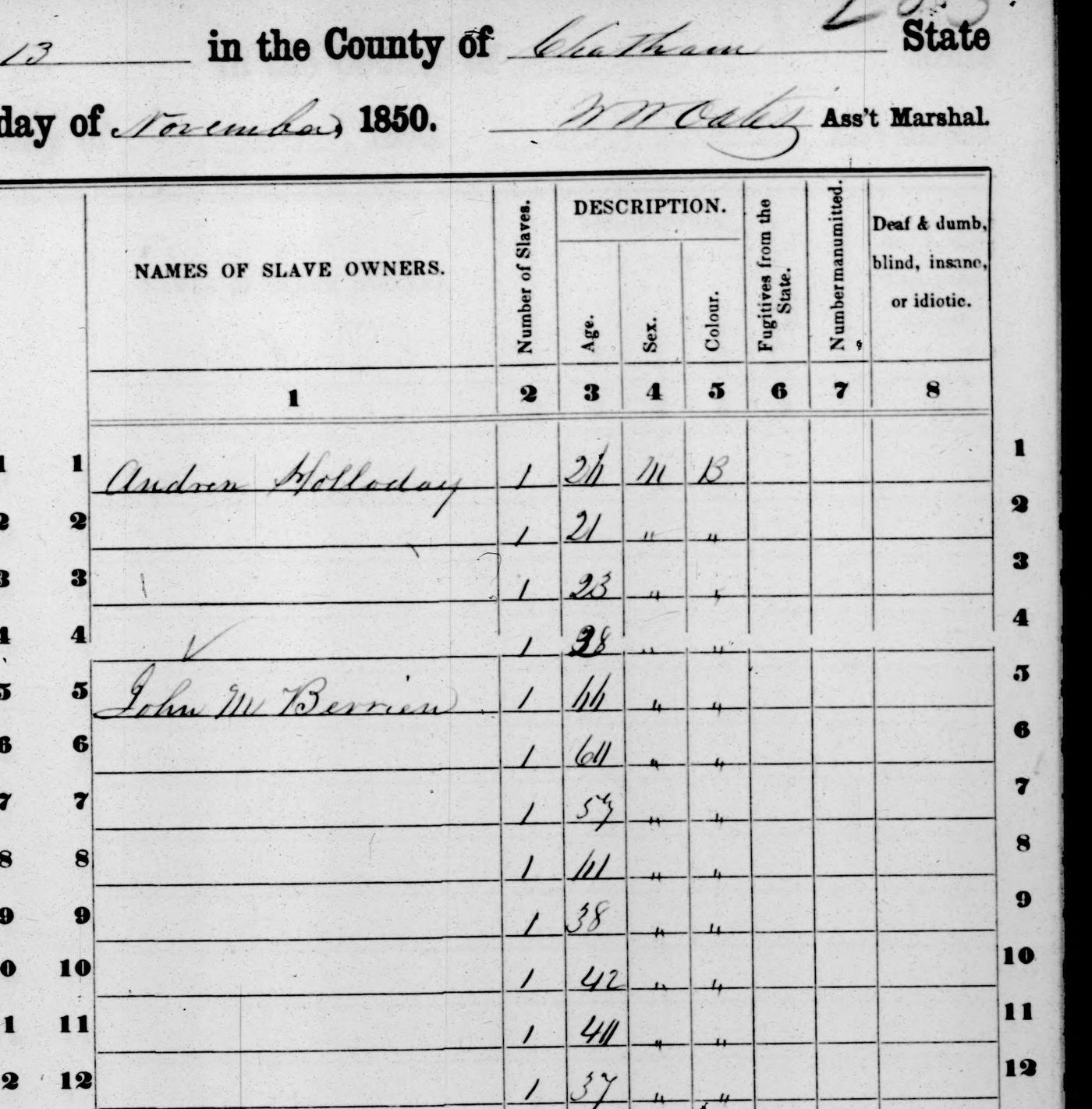
The three pages, in the archive · The census roll, Internet Archive · Berrien Papers, UNC
January 1, 1856
The house on Broughton Street
Berrien lived in the Savannah house from 1822 and died there on New Year’s Day, 1856. He is buried in Laurel Grove Cemetery. The house, condemned three times, was restored between 2012 and 2016 by a descendant, with the 1917 raising for ground-floor shops reversed; the Georgia Trust gave it an award in 2020. Rockingham, moved three times, stands near the Millstone. Two houses, one family; the thread this site follows, from the treaty’s clause to the Constitution’s, runs between them.
Georgia Trust, the Berrien House · The house and the people he held
1865
Where the thread ends
The Thirteenth Amendment, ratified in December 1865, ended slavery in the United States. Board 3 runs from the judge’s will to that year. Of the people in this story, the record keeps the names of Isabella, Harriet and Ess, of Martha Richards, of Jack who became John Skillman, of Prudence, Phoebe, Charlotte and Summer, and one line on a tax list for a person nobody wrote down.